
Airport Dimensions insights show sleep debt is impacting business traveller performance
New data from 1,500 business travelers shows a measurable productivity hit - and introduces a simple in-airport remedy employees can expense
Business travel is carrying an unseen productivity cost. 96% of frequent business flyers say they accumulate sleep debt when they travel internationally, with half reporting impaired decision-making, declines in concentration and creativity slumps after trips.
A new poll of 1,500 business travelers in the US and UK shows half (54%) have highly demanding travel schedules with early starts and very late flights and 98% admit they have attended high-stakes commitments (negotiations, presentations and client dinners) while fatigued; one in four (25%) do so often.
The operational impact is immediate: over a third of business travelers (41%) have rebooked meetings, 32% have rebooked presentations, and 28% have canceled meetings altogether due to fatigue. Furthermore, 25% have forgotten to make key decisions, and 21% have forgotten meetings entirely.
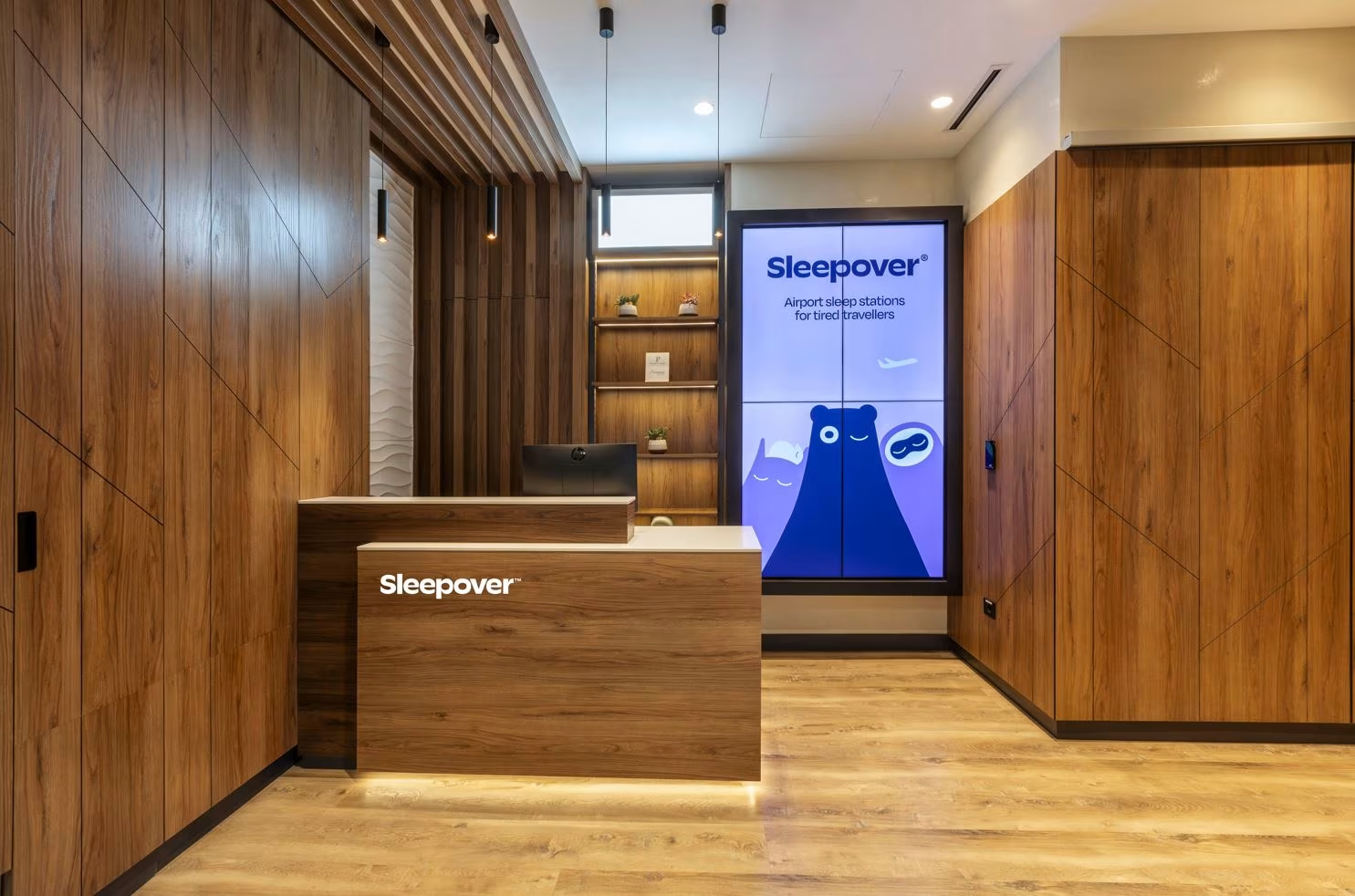
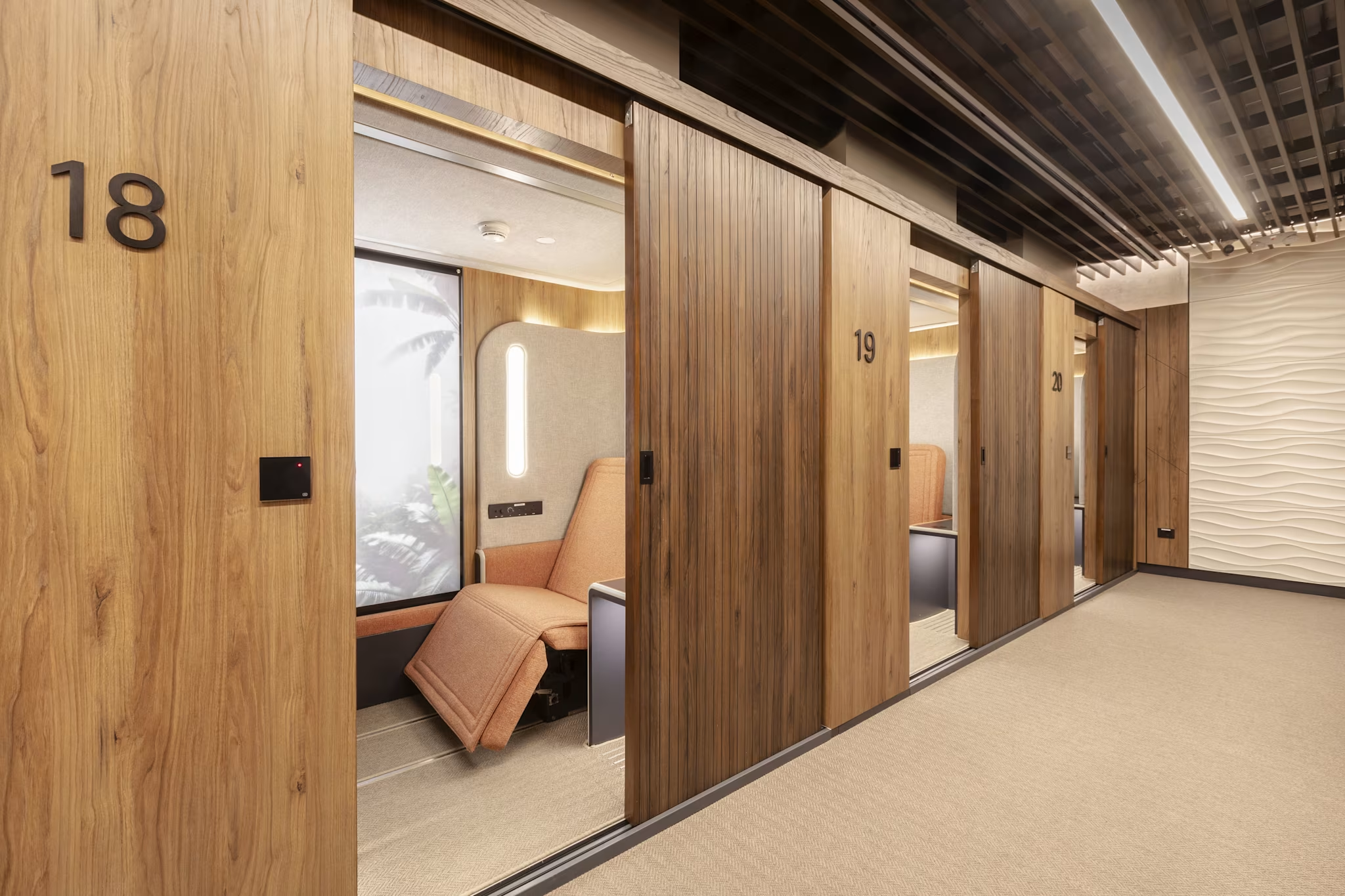
Working with independent sleep expert Dr. Neil Stanley, Sleepover is highlighting a practical remedy where it’s needed most – at the airport. A new generation of book-by-the-hour sleep stations gives travelers access to a controlled rest window within the airport terminal, helping teams recover quickly between flights or before early departures.
Independent sleep expert, Dr. Neil Stanley, commented: “When people travel frequently for business, they accumulate a type of debt - not just in hours of sleep missed, but in the health and productivity they sacrifice. This has lasting effects well beyond the journey, which is especially concerning for crucial business travel.
“'Sleep debt' is a silent epidemic costing global businesses dearly. Being able to sleep comfortably at airports isn't just a convenience; it can be an antidote that provides the essential rest and recovery business travelers desperately need to stay sharp and successful."
There is a personal cost of sleep debt too, exacting a significant mental health toll with direct implications for employee wellbeing and productivity. After back-to-back flights and long travel days, 46% report higher stress and 37% report reduced patience and increased irritability. Thirty-two percent say lack of sleep negatively affected their mental wellbeing, and 22% reported depressive or anxious feelings—issues that undercut performance in important meetings and client interactions. Now, newly-launched sleep stations from Sleepover offer an antidote. Built around these real passenger needs, the sleep spaces give travelers unparalleled rest, privacy and flexibility within the terminal itself, From a quick two hour reset to an overnight stay, with guaranteed wake-up calls and a quiet place to work during a layover, ensuring a seamless, no-stress experience that means no sacrifice to wellbeing or schedule changes needed.
Andrew Van Eeden, VP Global New Product & Innovations at Airport Dimensions, the experts behind the new Sleepover proposition, commented: “Companies are investing heavily in international travel as a cornerstone of growth, but when their people arrive exhausted and jetlagged, the ROI of each trip drops. Our ambition is to redefine how rest happens in transit and by providing this simple, wellbeing-focused solution, employees can recover faster and perform at their best.” Sleep stations represent the launch of a whole new category in airport experiences, expanding the Airport Dimensions business built on years of expertise from their already well-established footprint in the airport lounge market. Expert tips from Dr Neil Stanley on how businesses can protect staff wellbeing and productivity while traveling:
- Allow for adjustment time - Build a buffer into the itinerary. Schedule important meetings or presentations after the traveler has had time to adapt to the new time zone. This is crucial, as 41% of fatigued travelers have had to rebook meetings and 28% have canceled them altogether, directly disrupting business operations. Ideally, this would be one day of rest for every time zone crossed but this is impracticable so at least a day for every three to four time zones crossed. It would certainly be unwise to be making crucial business decisions having just stepped off the flight.
- Set realistic availability - When traveling across significant time zones, agree on clear, realistic working hours and response times that allow the traveler to prioritize sleep at the destination's night-time. Communicating these boundaries to clients and internal teams is vital.
- Adapt to local times – Switch to the new time-zone immediately when upon boarding and follow the local time as far as possible. Sleep/wake is governed by the light/dark cycle and so being strict about sleeping when it is dark and working when it is light in line with the timing of the end destination will help travelers acclimatize. It is also important to eat meals at the correct time at your destination, both on the flight and when you arrive.
- Provide sleep aids - Consider providing teams with a travel wellbeing kit that includes essential sleep tools like a comfortable eye mask, earplugs or noise-canceling headphones, and a small, familiar item like a lavender pillow spray. White noise apps may also help to encourage restful sleep. The personal cost of sleep debt is severe - 46% report increased stress after back-to-back travel and 32% state their mental health suffered, so providing these aids can help to mitigate challenges caused by long travel days.
- Encourage breaks and recovery - Resist the temptation of eating meals or working in hotel rooms which should be reserved for sleeping. Taking scheduled breaks and walks outside during the workday aids circadian rhythm adjustment.
- Prioritize restful sleep - If it’s likely that the person travelling on behalf of your business is going to attempt to catch up on sleep during a layover, it should be in a purpose-built, conveniently-placed zone that will minimize disruption and allow them to experience restful sleep. A bench or uncomfortable seat won’t do the job.
To Bring Fresh
Opportunities to Any
Challenge.
We believe airports should be places passengers enjoy
and that their enjoyment creates greater value for you.